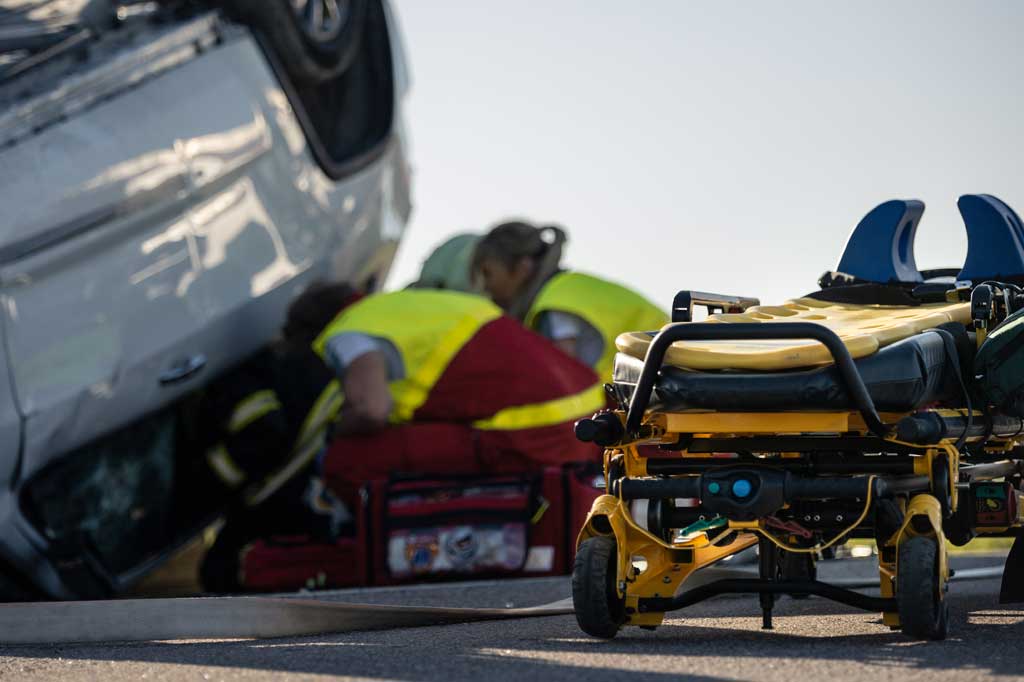
A rollover accident isn’t like other crashes. It’s one of the most violent and life-altering events a driver can experience. Unlike typical crashes, a rollover occurs when a vehicle tips onto its side or roof, often involving multiple impacts and extreme forces.
When another driver’s negligence causes a rollover, whether by striking your vehicle or losing control of their own, the consequences can be catastrophic. That’s why working with experienced Atlanta car accident lawyers is critical to protecting your rights and pursuing full compensation.
If you or a loved one has been injured in a roll-over accident, contact Prieto, DelCampo, Lopez & Marigliano LLC for a free, no-obligation consultation.
Why Rollover Accidents Are So Dangerous
What makes rollover crashes especially dangerous is the combination of forces involved, each of which intensifies the impact. Although rollovers account for a small share of total crashes, they remain among the deadliest crash types on the road. According to NHTSA data, rollover crashes accounted for 28% of passenger vehicle occupant fatalities in 2023.
These different factors include:
- Rotational motion
- Roof crush impact
- Multiple points of collision
- Risk of ejection from the vehicle
Occupants are often thrown around inside the vehicle or even ejected, especially if seat belts fail or are not worn. The roof may collapse, windows shatter, and the vehicle can strike the ground multiple times before coming to rest.
This chain reaction increases the likelihood of severe injury or death compared to other types of crashes.
Common Risk Factors in Rollover Accidents
Recent crashes in the Atlanta area, including a fatal multi-vehicle rollover on I-75 involving a chain-reaction collision, highlight how quickly these accidents can turn deadly when one driver’s actions set off a sequence of impacts.
While some rollovers are single-vehicle incidents, many are caused by another driver’s actions. When comparative fault rules apply, injured victims are often in a stronger position to pursue a legal claim.
Collisions Caused by Other Drivers
One of the most common causes of rollover accidents is being hit by another vehicle. A high-speed side-impact (T-bone) or rear-end collision can destabilize your vehicle, especially on curves or highway ramps, triggering a rollover.
Speeding Drivers
When another driver is speeding, their ability to react and maintain stability is reduced. That loss of control can lead to violent impacts or lane intrusions, setting off a rollover sequence.
Vehicles With a High Center of Gravity
SUVs, trucks, and vans sit higher off the ground, making them more vulnerable to tipping during sharp turns or high-impact crashes, especially when another driver’s actions force a sudden maneuver.
Tire Blowouts and Defects
A sudden tire failure can lead to immediate loss of control. If a defective tire or road hazard causes the blowout, liability may extend beyond the driver to manufacturers or government entities.
Distracted or Impaired Driving
Drivers who are texting, under the influence, or otherwise inattentive may drift into another lane or run a red light, creating dangerous conditions that can lead to a rollover crash.
Unsafe Road Conditions
Poorly maintained roads, such as uneven pavement, missing guardrails, or poorly designed curves, can contribute to rollover crashes. In these cases, a city or state agency may share responsibility.
When these risk factors lead to a rollover, the resulting injuries are often severe and, in many cases, fatal.
Severe Injuries Associated With Rollover Crashes
When a vehicle rolls, the human body absorbs forces it was never designed to withstand. Because of the violent nature of these accidents, the injuries are often severe and long-lasting.
Common injuries include:
- Traumatic Brain Injuries (TBI): Often caused by impacts with the roof, windows, or ground
- Spinal Cord Injuries: Can lead to partial or complete paralysis
- Broken Bones and Crush Injuries: Often occurs in the ribs, pelvis, arms, and legs
- Internal Organ Damage: Includes injuries to the liver, lungs, or kidneys
- Lacerations and Burns: From shattered glass or post-crash fires
- Fatal Injuries: Rollover crashes have some of the highest fatality rates of any accident type
Survivors often face long-term consequences, such as chronic pain, cognitive impairment, and permanent disability. Many are unable to return to work or maintain the quality of life they had before the crash.
How Negligence and Liability Are Determined
Rollover accident cases usually involve overlapping layers of liability that require careful analysis.
Multiple parties may be responsible, including:
- The at-fault driver who caused the initial collision
- A vehicle manufacturer (for defective design or roof failure)
- A tire manufacturer (in cases involving blowouts)
- Government entities responsible for unsafe road conditions
For example, if another driver runs a red light and causes your vehicle to roll, they may bear primary responsibility. But if your vehicle’s roof collapses due to a design flaw, the manufacturer may also be liable.
Identifying every responsible party requires a comprehensive investigation, including accident reconstruction, vehicle analysis, and expert testimony.
How Our Atlanta Car Accident Lawyers Can Help
Rollover accident claims are complex and often involve:
- Multiple insurance companies
- Technical engineering evidence
- Disputes over fault and liability
- High-value damages due to severe injuries
At Prieto, DelCampo, Lopez & Marigliano LLC, our experienced legal team handles high-impact car crash cases, including rollovers.
We work with you to:
- Investigate the cause of the accident
- Preserve critical evidence before it disappears
- Identify all liable parties
- Work with medical and accident reconstruction experts
- Fight for full and fair compensation
If you or a loved one has been injured in a rollover accident caused by someone else’s carelessness, taking prompt action is critical to preserving evidence and protecting your right to compensation.
Contact our team today for a free, no-obligation consultation and take the first step toward holding the responsible parties accountable.