A car accident can happen in seconds, but proving what really happened can take months, especially when stories conflict and evidence disappears. That’s one reason dash cameras are becoming a must-have for many Atlanta drivers after a crash.
Industry estimates suggest roughly one-third of U.S. drivers now use dash cameras, and many recordings later play a crucial role in insurance claims and legal disputes.
Video footage can provide a clearer record of events and help establish fault, but only if it’s preserved promptly, authenticated properly, and used strategically before insurers try to discredit it.
If you’ve been injured in a crash, a Georgia car accident lawyer can help protect this evidence, address insurer pushback, and use it to strengthen your claim.
How Dash Cameras Capture Real-Time Crash Evidence
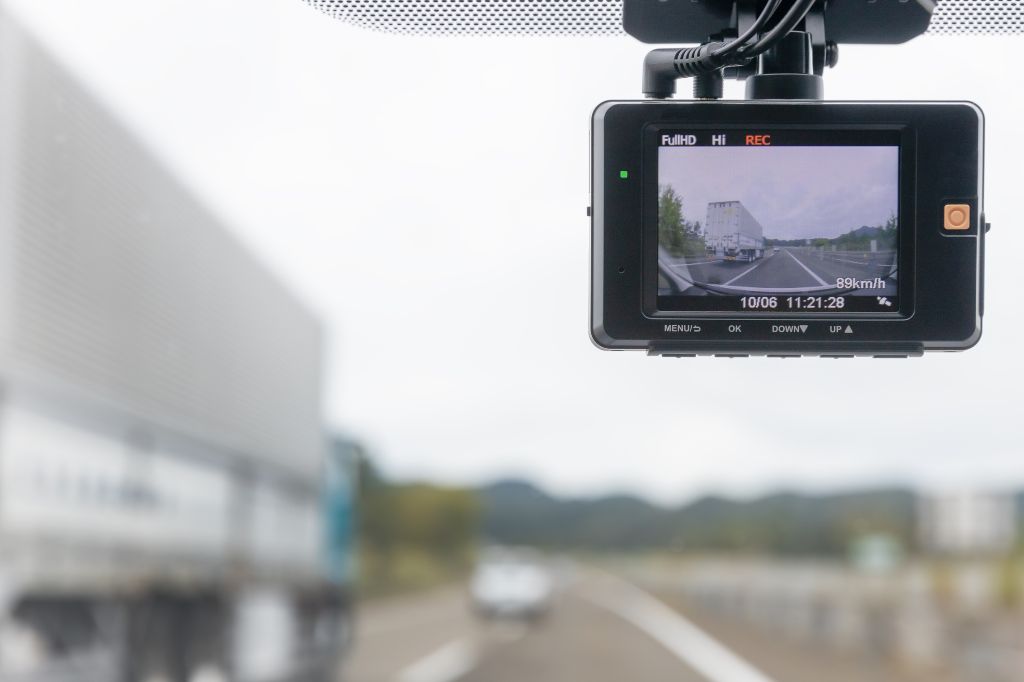
Dash cameras record continuously while you drive, capturing what happens on the road in real time. Many models include impact sensors that automatically record footage after a collision, so it isn’t accidentally overwritten.
Most dash cams can capture additional data, such as:
- Audio
- Interior cabin footage
- GPS location data
- Speed information
This combination of video and data can help show how a crash unfolded, including whether a driver ran a red light, drifted between lanes, braked suddenly, or appeared distracted.
Unlike witness recollections, which can fade or conflict over time, video footage provides a clearer and more reliable record of what happened.
Is Dash Cam Footage Legal Evidence in Georgia?
In most cases, yes. Dash cam footage is generally admissible in Georgia accident claims and lawsuits when it is lawfully recorded and properly preserved. Georgia law allows audio recording when at least one participant consents, including when the driver uses a dash camera during the conversation.
When recorded and preserved correctly, dash cam footage can:
- Help establish fault in disputed crashes
- Document speeding, unsafe lane changes, or distracted driving
- Confirm road conditions, weather, or traffic signals
- Clarify or counter incomplete police reports
Insurance companies and opposing parties may still challenge video evidence. They may question authenticity, argue that the footage lacks context, or suggest it was altered. A Georgia car accident lawyer can help authenticate the recording, preserve the chain of custody, and address these challenges before they affect your claim.
When Dash Cam Footage Becomes Especially Valuable
Dash cameras can help in almost any accident, but they can provide critical evidence when fault is disputed or when multiple drivers may share responsibility.
Attorneys often rely on video footage to reconstruct what happened, clarify liability, and respond to insurer challenges in cases involving:
Multi-Vehicle Collisions
Chain-reaction crashes often leave drivers with different versions of what happened. Video footage can help show who started it and how each impact unfolded.
Rideshare Accidents
Uber and Lyft accidents often involve multiple insurance policies and complicated liability issues. Dash cam footage can help show whether the rideshare driver, another driver, or road conditions played a role in the crash.
Commercial Truck Accidents
Truck accidents may involve large insurance companies that strongly challenge claims. Video footage showing unsafe lane changes, driver fatigue, or tailgating can help support your case.
Hit-and-Run Incidents
Even if the at-fault driver leaves the scene, dash cam video may capture license plate numbers, vehicle descriptions, or the direction of travel, helping investigators identify the responsible party.
In each of these situations, a skilled Georgia car accident lawyer can use video evidence to prove liability and seek maximum damages for the injured party.
Why Insurance Companies May Challenge Dash Cam Evidence
Many people assume dash cam footage will automatically settle a claim. Video can be helpful, but it rarely resolves a case on its own, and insurers often question its reliability.
They may argue that:
- The footage does not show what happened before or after the crash.
- Camera angles make distance or speed look different from what they actually are.
- The recording was edited or only partially shared.
- Weather, lighting, or other conditions limit what can be seen.
Without legal guidance, some drivers accept these arguments too quickly. An attorney can work with accident reconstruction experts, review technical data from the footage, and present it alongside other evidence to build a stronger case.
Preserve Footage Immediately After an Accident
Dash cameras usually record in a continuous loop, which means older footage can be overwritten quickly. After a crash, saving the video right away is important to protect this evidence and reduce questions about whether it was altered.
If you’re involved in an accident:
- Save or lock the footage as soon as possible.
- Back it up to another device or to a secure cloud storage service.
- Avoid editing, trimming, or altering the recording.
Sharing footage publicly can complicate your claim, give insurers early access to your evidence, or lead to misunderstandings without proper context. It is usually best not to post the video or share it on social media until you have spoken with a lawyer.
Protect Your Evidence and Your Claim
Dash cameras can be valuable after Atlanta car accidents, but their impact often depends on how the footage is preserved and presented. At Prieto, DelCampo, Lopez, & Marigliano LLC, our attorneys help clients secure important evidence, address insurance challenges, and pursue the full compensation they may deserve for their injuries and losses.
With more than 25 years of experience representing injured people across the Atlanta metro area, our firm has recovered millions in settlements and verdicts for crash victims.
If you were injured in a crash, contact our team for a free consultation. We can help preserve dash cam footage, protect your rights, and position your claim for the strongest possible outcome.